
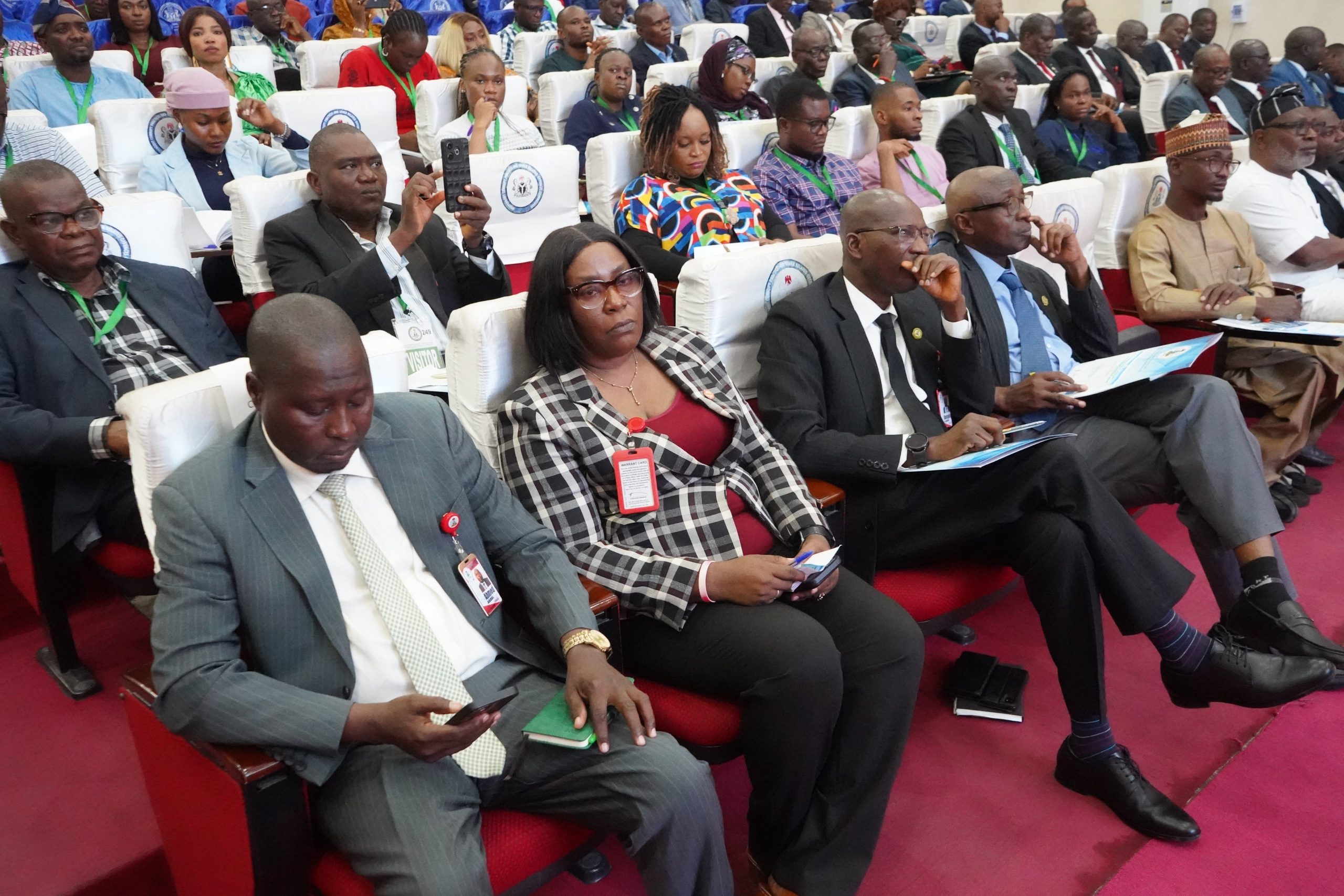
In its continuous efforts to promote grassroots accountability and combat corruption, the Center for Fiscal Transparency and Public Integrity (CeFTPI) joined the Independent Corruption and Other Related Offences Commission (ICPC) in engaging civil society groups under the National Anti-Corruption Coalition (NACC) today. The one-day session at the Abuja offices of the ICPC gathered the leading voices in the anti-corruption space in Nigeria to discuss the strengthening of local government accountability and eliminating corruption from the grassroots.
In his presentation of the Accountability and Corruption Prevention in Local Government (ACPPLG) Framework, the Center’s Executive Director, Dr. Umar Yakubu underscored the significance of the ACPPLG process in facilitating access to information. He noted that proactive disclosure of governance information will promote transparency and accountability in management of local government resources.
He said that proactive disclosure of information by subnational authorities is not only a statutory obligation under legislation such as the Freedom of Information Act, he said, but also a democratic imperative because it enables civil society to call for accountability.
“For too long, the local governments have been the weakest link in the chain of accountability in Nigeria,” said Dr. Yakubu. “The ACPPLG framework is intended to break that chain by enhancing institution-building, encouraging proactive disclosure, and enhancing citizens involvement.”
The event, attended by the ICPC Chairman, Dr. Musa Adamu Aliyu (SAN), provided a platform for mobilizing CSOs towards a common purpose of entrenching anti-corruption measures at the grassroots. Dr. Yakubu called for civil society allies under the NACC to embrace the ACPPLG framework and partner both with the ICPC and local governments in putting its tenets into action.
The ICPC Chairman, in his statement, reaffirmed the commitment of the Commission to collaborate with civil society and other partners in reinforcing preventive measures across all governance levels.