Public Debt Integrity
Public Debt Integrity (PDI) traces loans taken by Nigeria's federal and state governments from approval to outcome, so that citizens, lawmakers and lenders can see what was borrowed in their name and whether the record shows it was used for its purpose.
The Problem It Addresses
Public argument about Nigeria's debt is usually about its size. A second question is asked more often by citizens and answered far less well by the public record: what did the money build? Section 44 of the Fiscal Responsibility Act 2007 requires any government that wants to borrow to state the purpose of the borrowing. A loan that must have a stated purpose before it is taken ought to leave a public record afterwards of whether that purpose was met.
Scope of the Work
- Transparency in public borrowing, loan approval and the disclosure of loan terms.
- Debt management practices assessed against international standards.
- Parliamentary oversight of borrowing and regular hearings on the use of borrowed funds.
- Monitoring and independent verification of debt-funded projects.
- Freedom of Information requests for loan agreements and expenditure records.
- Accountability, enforcement and sanctions where loan funds are misused.
How the Record Is Built
The work begins with lenders' own registers, including those of the World Bank, the African Development Bank and the Islamic Development Bank, together with the publications of the Debt Management Office and state governments for domestic borrowing. For each loan the record sets out, where the sources allow, its approval, commitment, disbursement, implementation status, any cancellation and the supporting documents.
Each loan is then graded by what the public record shows about its use: high, moderate or insufficient. The same rule is applied to every loan.
Disbursed is not the same as delivered. A lender's record that money was paid out shows that the loan was drawn. It does not show that the project was built or that it works. The evidence grade describes how well the public record documents a loan. It is not a percentage of money used, and it is never combined with measures of debt burden. Where information is missing it is shown as missing.
Where the Project Stands
The project is at an early stage. Loans have been identified and catalogued from open sources. Verification of what individual loans delivered, through remote and physical inspection of projects, has not yet been completed, and the record should be read with that limit in mind.
Record of Activity
- 1 April 2026Public Debt Integrity project launched. Read the Report
- March 2026Kaduna State Government's Debt Analysis published.
- 8 September 2025The Center calls for a public debt integrity mechanism. Read the Report
Latest on This Project
 News22 June 2026
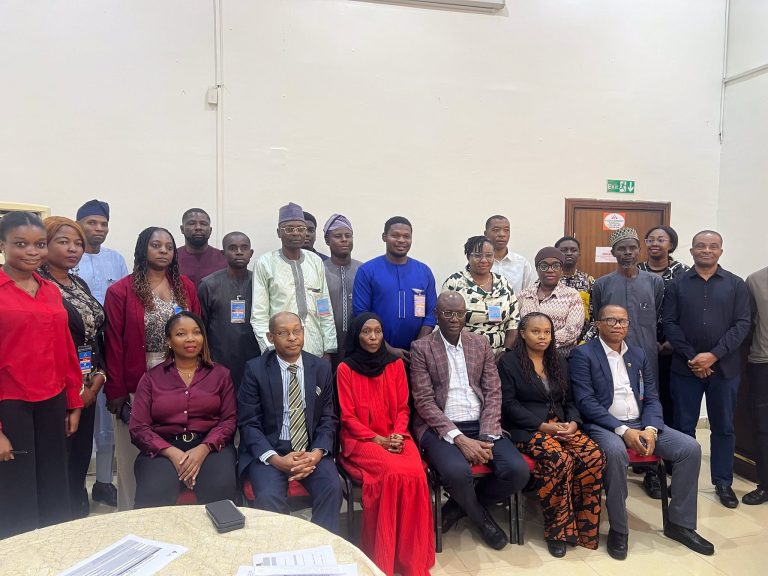
CeFTPI Participates in the Nigerian National Debt Roundtable Convened by ANEEJ
 Press release1 April 2026
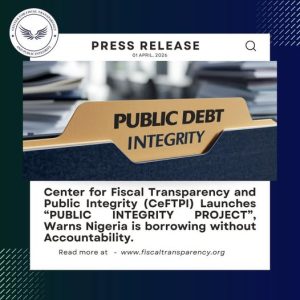
The Center Launches “PUBLIC DEBT INTEGRITY PROJECT” Warns Nigeria Is Borrowing Without Accountability
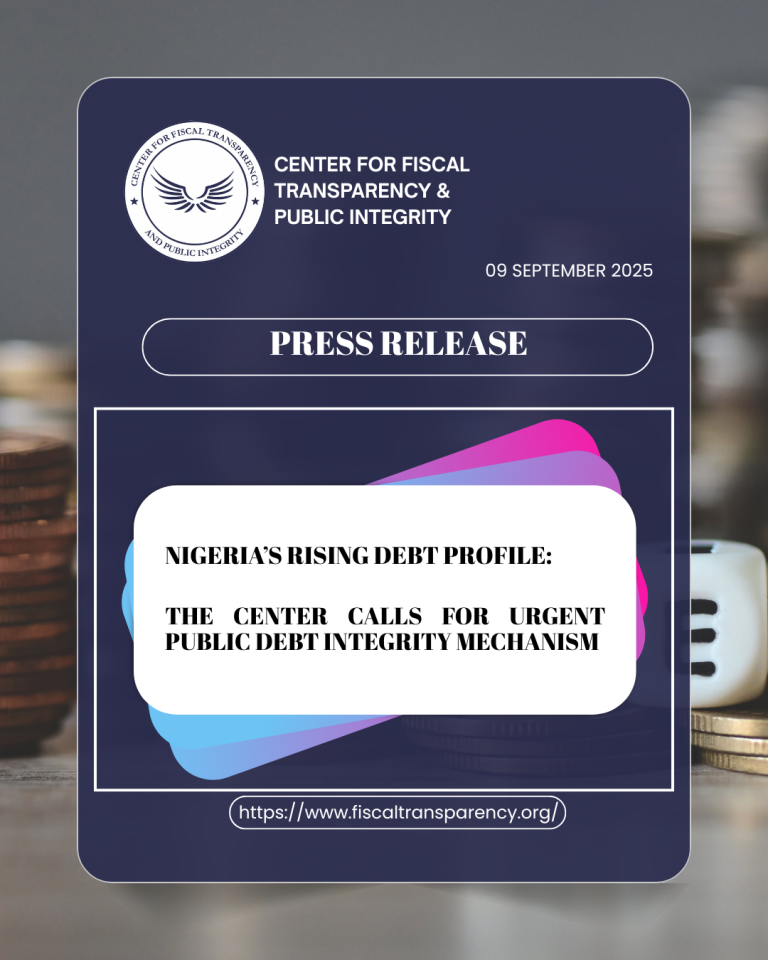 Press release9 September 2025
Nigeria’s Rising Debt Profile: The Center Calls for Urgent Public Debt Integrity Mechanism
Publications and Supporting Documents
Kaduna State Government’s Debt Analysis
Questions, Corrections and Engagement
To ask about this work, to report an error or to discuss collaboration, write to mail@fiscaltransparency.org.