Nigeria’s New Economic Formula: When in Crisis, Renovate!
In the grand theatre of Nigerian governance, a new act is unfolding, and it’s called “Renovation Economics.” In this fascinating fiscal fairytale, when citizens cry out over inflation, fuel prices, job losses, and crumbling infrastructure, our leaders reach for… wait for it… paint and granite tiles.
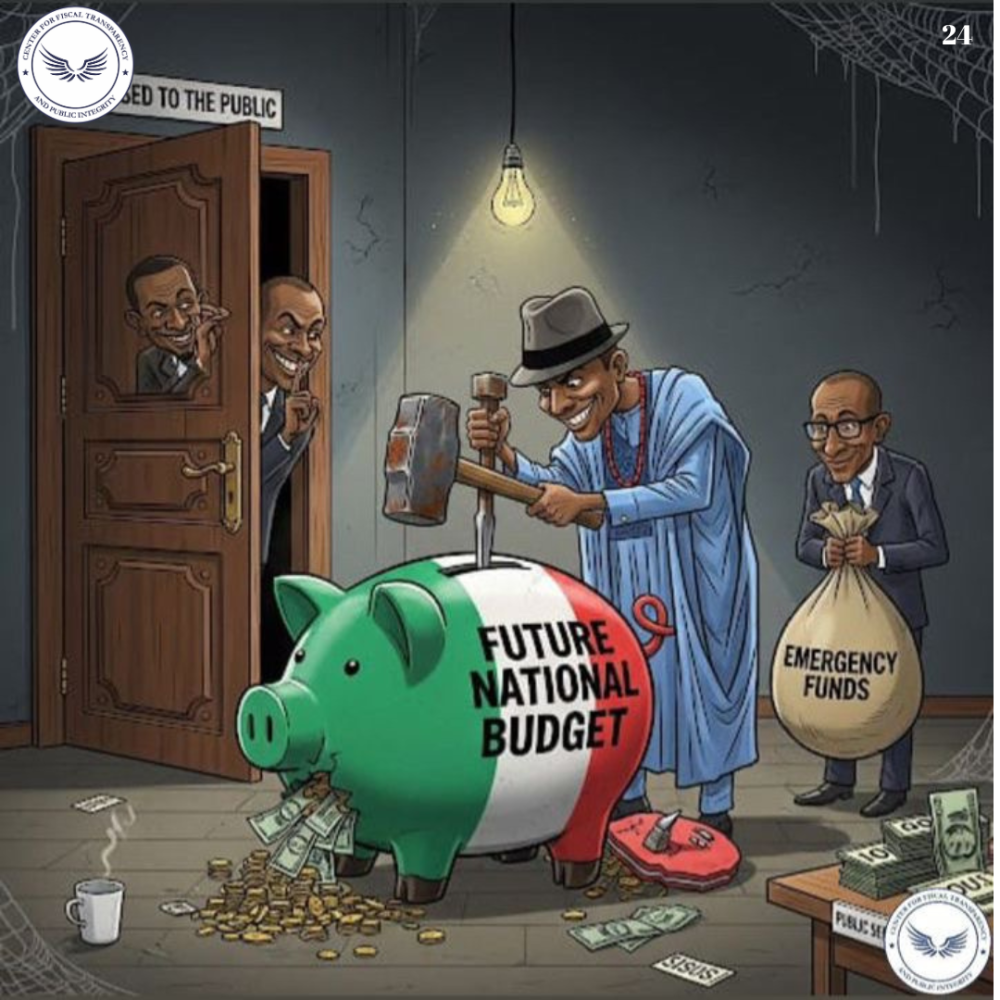
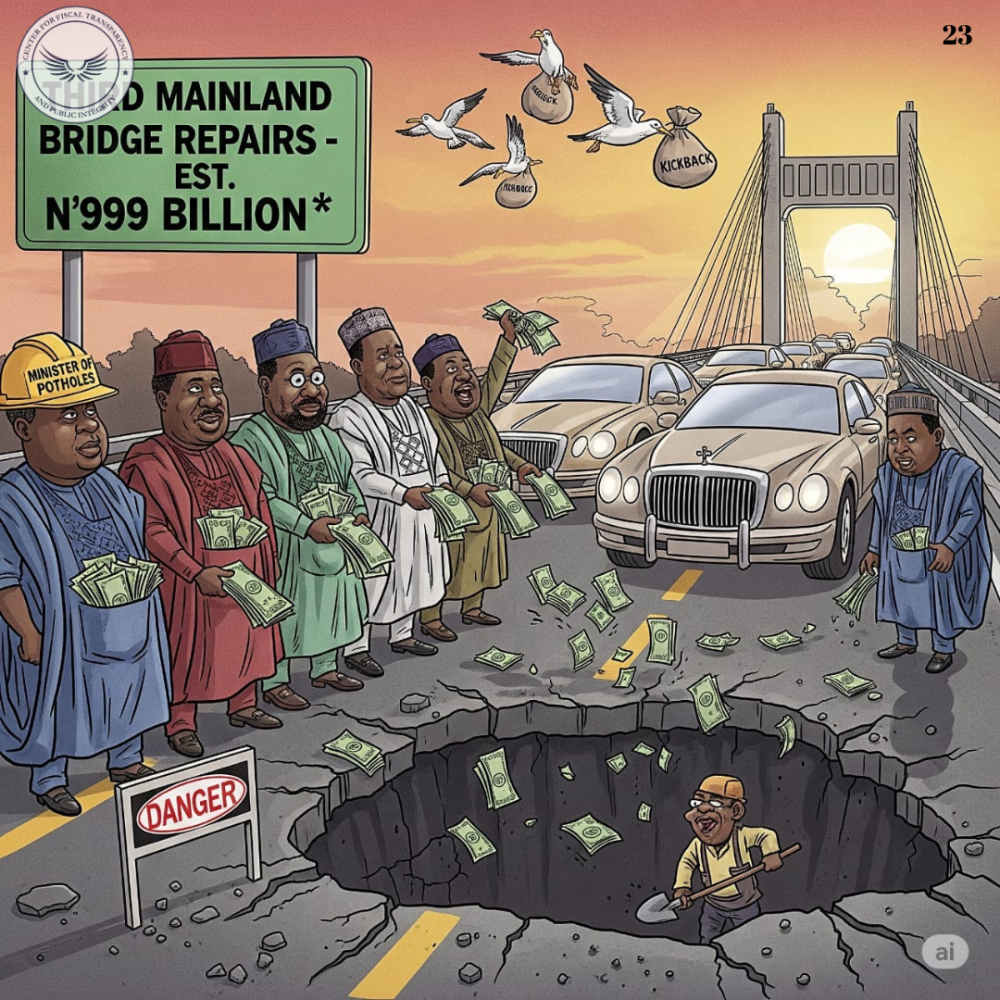
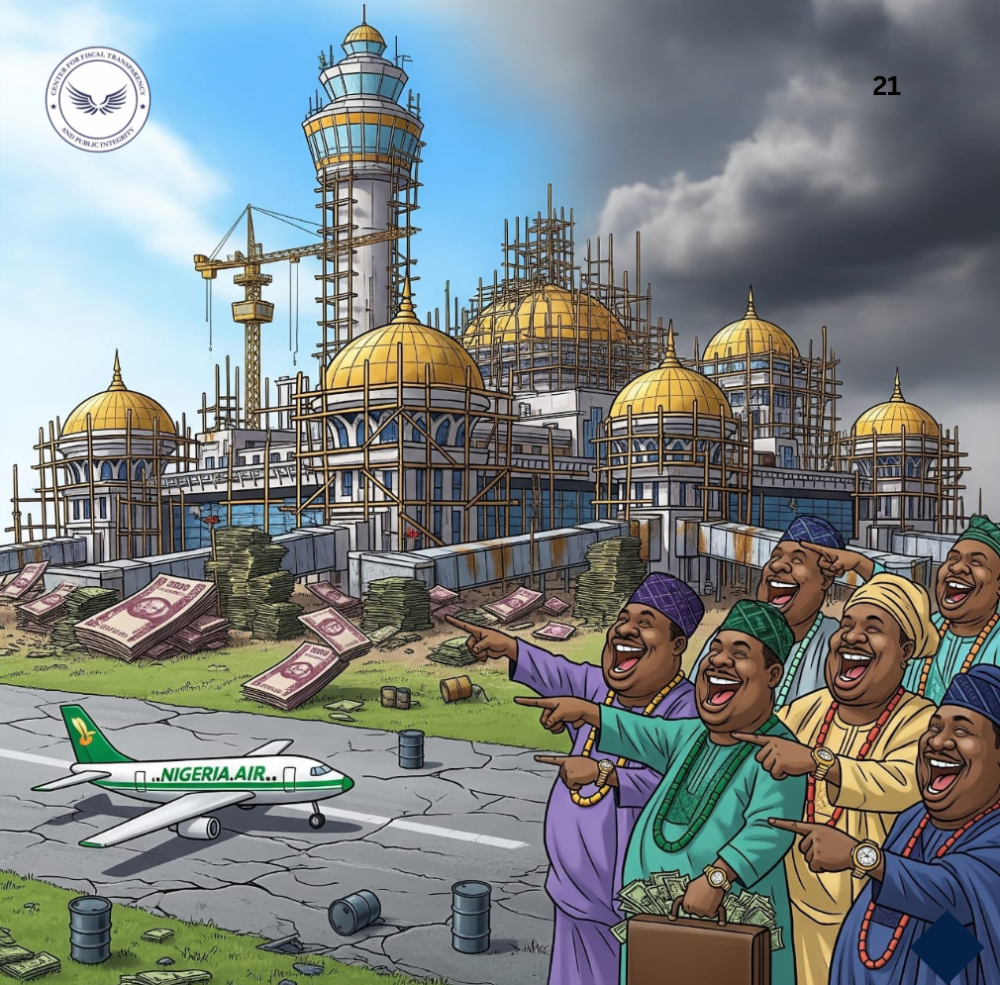
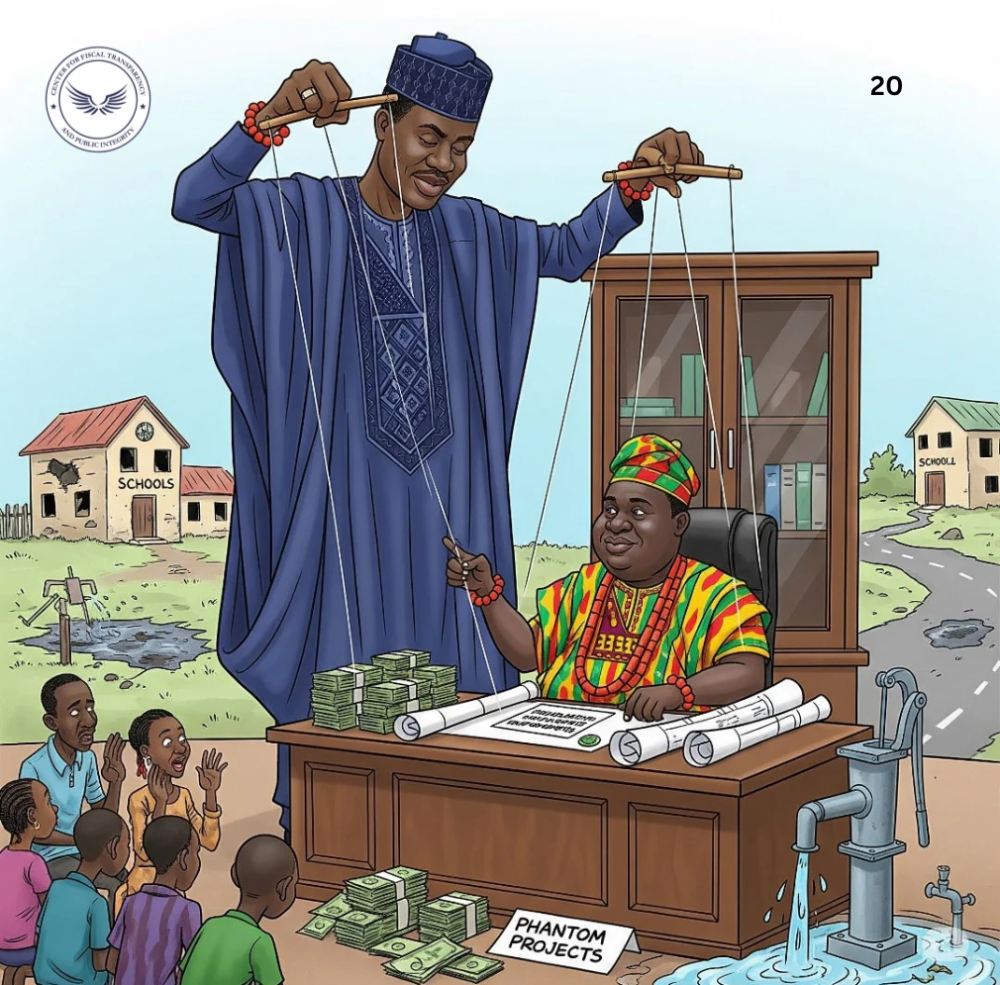
Just weeks after the FCT Minister allegedly spent ₦39 billion to renovate the International Conference Centre in Abuja, a building that presumably suffered from a tragic case of existential fatigue, the Oyo State Government has entered the spotlight with an even grander flourish: a ₦63.4 billion makeover for its Government House.
Yes, you heard right. While families are skipping meals, students are learning in dilapidated classrooms, and hospitals are prescribing “hope and paracetamol” due to lack of equipment, Oyo State is investing in soft rugs, fancy chandeliers, and perhaps golden toilet handles, all in the name of governance, of course.
From a fiscal transparency lens, this begs the question: what exactly are we renovating: buildings or egos?
The argument, as usual, will be framed around “modernizing government infrastructure,” “creating a conducive environment for leadership,” or the ever-reliable “boosting investor confidence.” But let’s be real, when was the last time a foreign investor said, “I would have invested in Nigeria, but the governor’s guest room was outdated”?
Let’s do the math. ₦63.4 billion could build at least 50 functional secondary schools, 30 well-equipped primary healthcare centers, or fix several rural roads. But apparently, those are boring projects. Why solve people’s problems when you can install Italian marble and host executive meetings on mahogany tables?
If this is the definition of “people-oriented governance,” then perhaps it’s time we redefine “the people.” Because clearly, these renovation projects are not for the everyday market woman, teacher, farmer, or youth hustling through fuel queues and data blackouts. No, these projects are for the elite few who measure progress by the thread count of their office curtains.
So, here’s a modest proposal for our leaders: if you truly want to renovate something meaningful, start with public trust. It’s old, damaged, and long overdue for an upgrade. And unlike fancy buildings, restoring trust can’t be done with a cheque, it requires accountability, priorities, and a commitment to serving the people over prestige.
But until then, Nigeria remains the only place where while the roof is on fire, the government is busy repainting the walls.
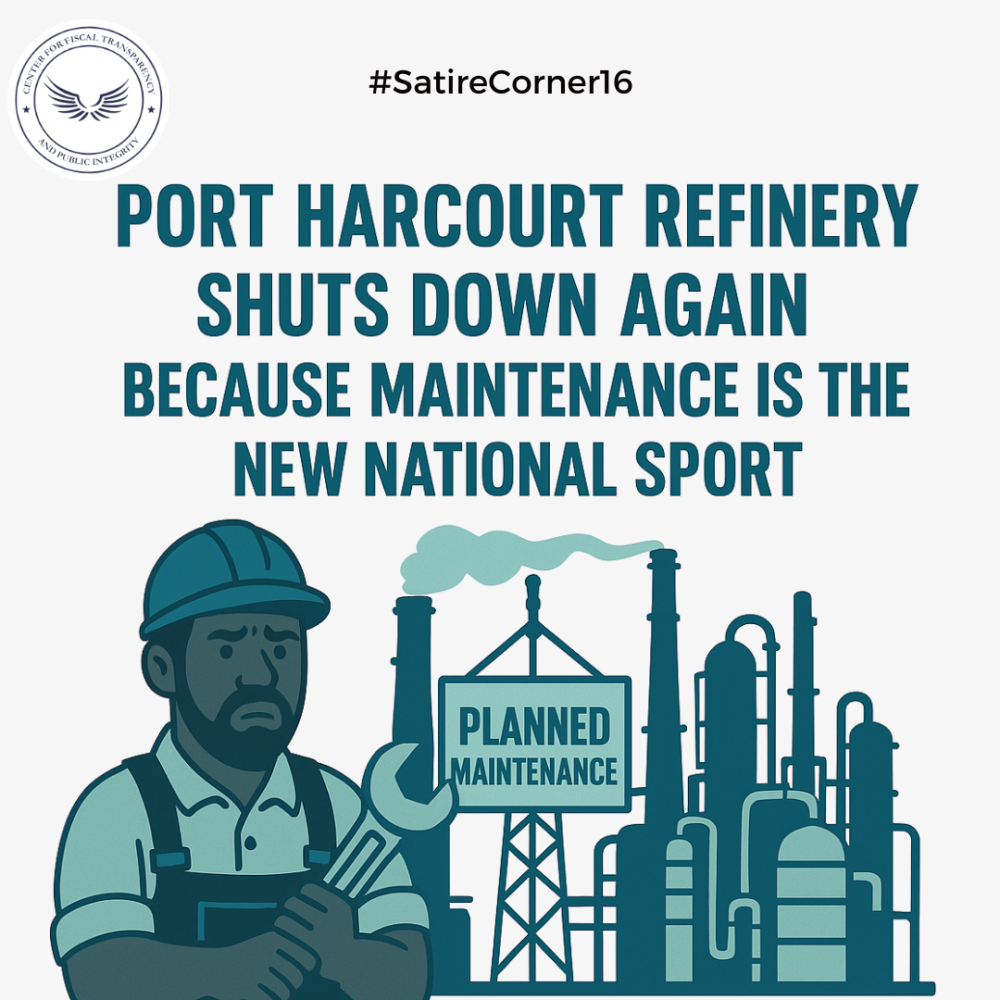
17.Port Harcourt Refinery Shuts Down Again; Because Maintenance Is the New National Sport
Welcome to Nigeria, the land of endless surprises, where the only thing more predictable than our sunsets is the Nigerian National Petroleum Company Limited (NNPC Ltd) announcing yet another “planned maintenance” for the Port Harcourt Refinery. On May 24, 2025, the NNPC Ltd, with the solemnity of a village elder, declared that the Port Harcourt Refining Company (PHRC) would take a well-deserved nap, sorry, “maintenance break,” to, presumably, polish its pipes and dream of better days.
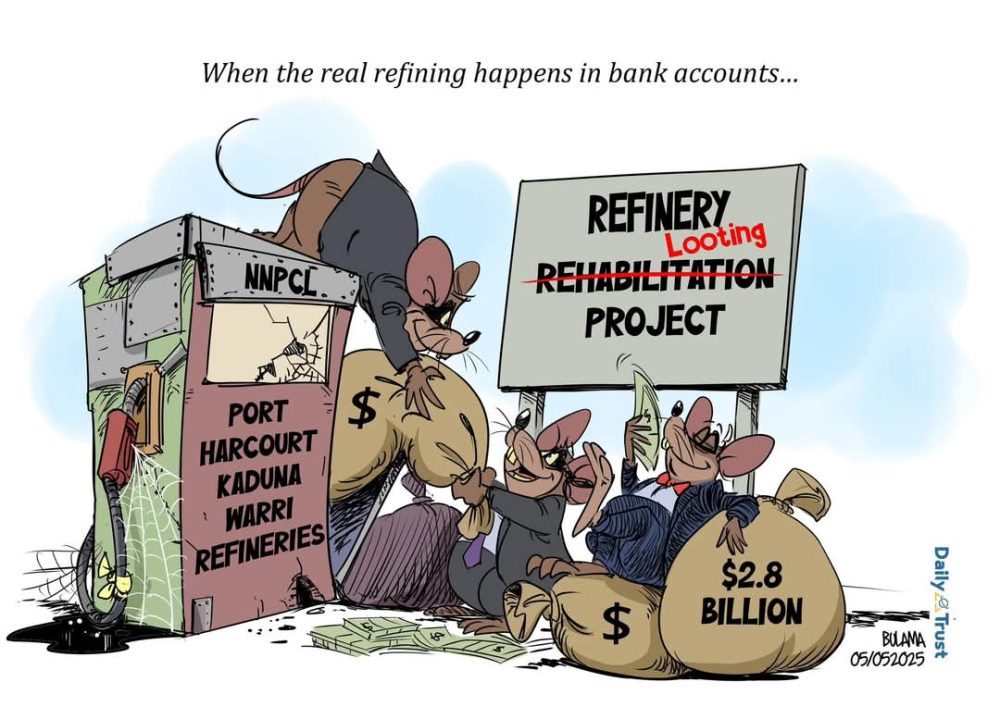
Imagine this: a whopping $1.5 billion was waved like a magic wand in 2021, when former NNPC Group Chief Executive Officer Mele Kyari promised a “turnaround” for the refinery. Nigerians, ever the optimists, imagined a future where fuel queues vanished, and the PHRC churned out petrol like a Nollywood blockbuster churns out drama. Fast forward to 2025, and that $1.5 billion seems to have taken a vacation to an offshore account, with whispers of mismanagement and alleged embezzlement swirling like smoke from a generator; because, let’s face it, generators are Nigeria’s real refineries.
The NNPC’s press release reads like a love letter to bureaucracy, assuring us that this shutdown is “planned” and “essential.” But in Nigeria, “planned maintenance” is code for “we’re still figuring out where the money went.” The Port Harcourt Refinery, that grand old dame of Rivers State, has been “maintained” so many times, it’s practically a national monument. One might wonder if the maintenance crew is just a group of lads with spanners, sipping tea and debating whether crude oil is best served hot or cold.
And oh, the allegations! The $1.5 billion earmarked for the refinery’s glow-up has sparked more questions than a WAEC exam. Did it vanish into the Bermuda Triangle of government contracts? Or perhaps it’s funding a secret mission to build a refinery on the moon? Nigerians are left clutching their jerrycans, wondering if the funds were spent on “consultancy fees” for experts in the fine art of doing nothing. Meanwhile, fuel prices are still doing acrobatics.
But let’s give credit where it’s due. The NNPC has mastered the art of keeping us on our toes. Every few years, they dangle the promise of a working refinery, only to pull it back with a wink and a “see you after maintenance.” It’s like promising your kids a trip to Disneyland but taking them to the mechanic instead. And yet, we keep hoping, paying through our nose for fuel, and wait for the next NNPC press conference.
So, what’s the endgame? Maybe the Port Harcourt Refinery is destined to be Nigeria’s ultimate performance art, a symbol of ambition that never quite gets off the ground. Or perhaps it’s a reminder that in Nigeria, “turnaround” doesn’t mean progress; it means another spin on the merry-go-round of excuses. As the refinery takes its latest siesta, Nigerians are left to wonder: are we ever going to see the day when our refineries work as hard as our hustle? Until then, let’s raise a glass of overpriced petrol to the NNPC’s favorite pastime, maintenance, the national sport where nobody wins.