Artificial Intelligence Governance
The Center's work on the governance of artificial intelligence (AI) examines Nigeria's emerging AI policies and the risks AI raises for transparency, data protection, rights and the accountable exercise of public power.
The Question
AI is already in use in banking, healthcare, education, agriculture and public administration in Nigeria, in the absence of a binding regulatory framework. It offers gains in efficiency and raises concerns about bias, data protection, human rights and accountability when automated systems inform public decisions.
Work to Date
The work so far consists of three connected activities carried out in 2026:
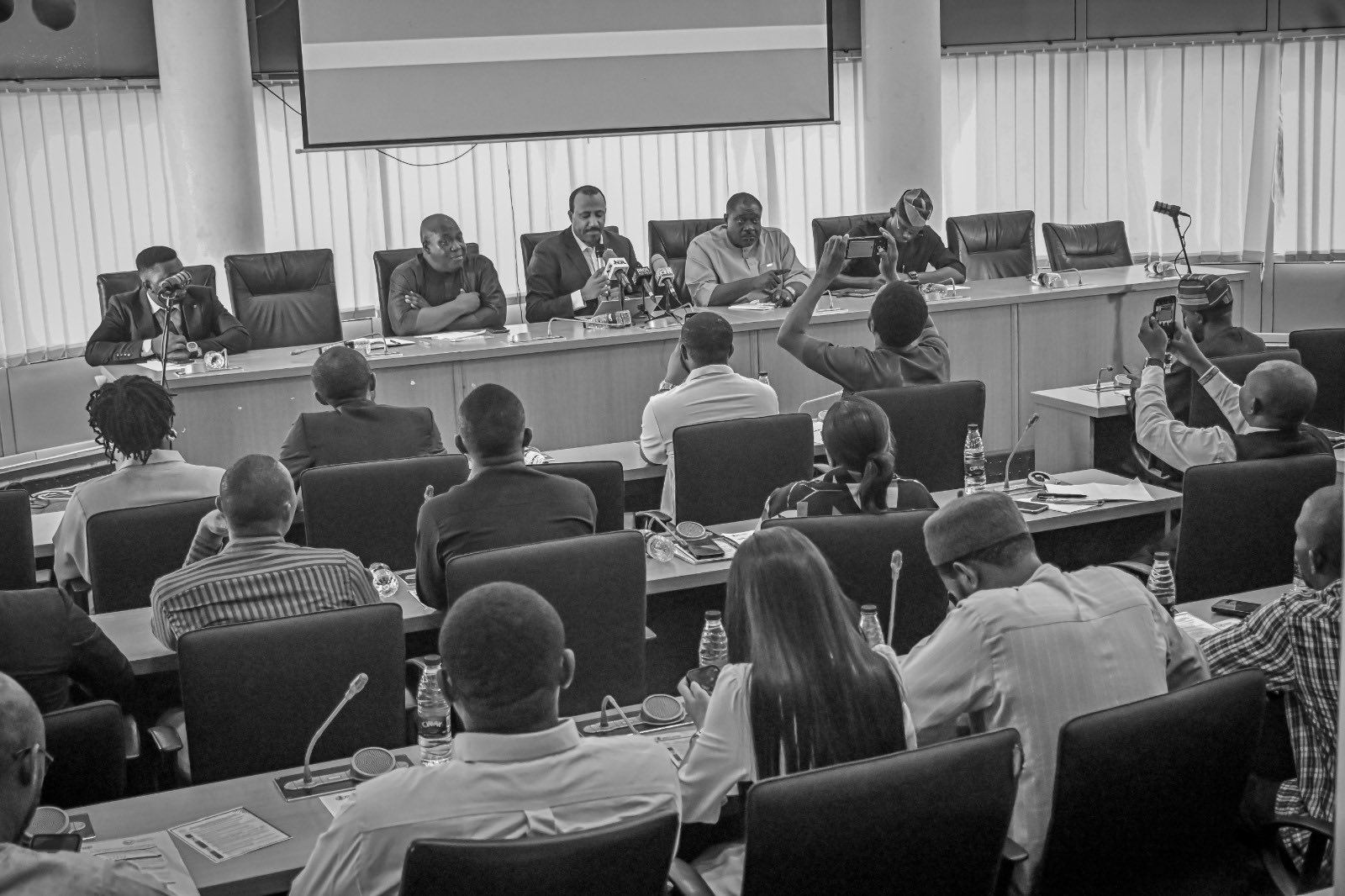
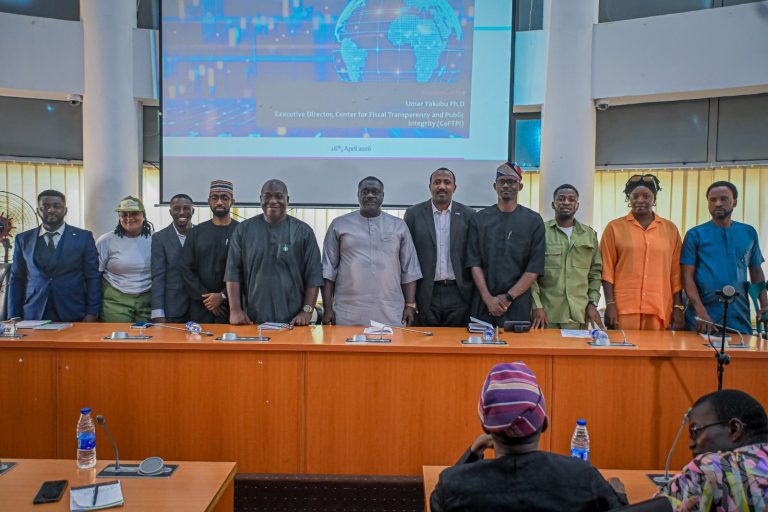
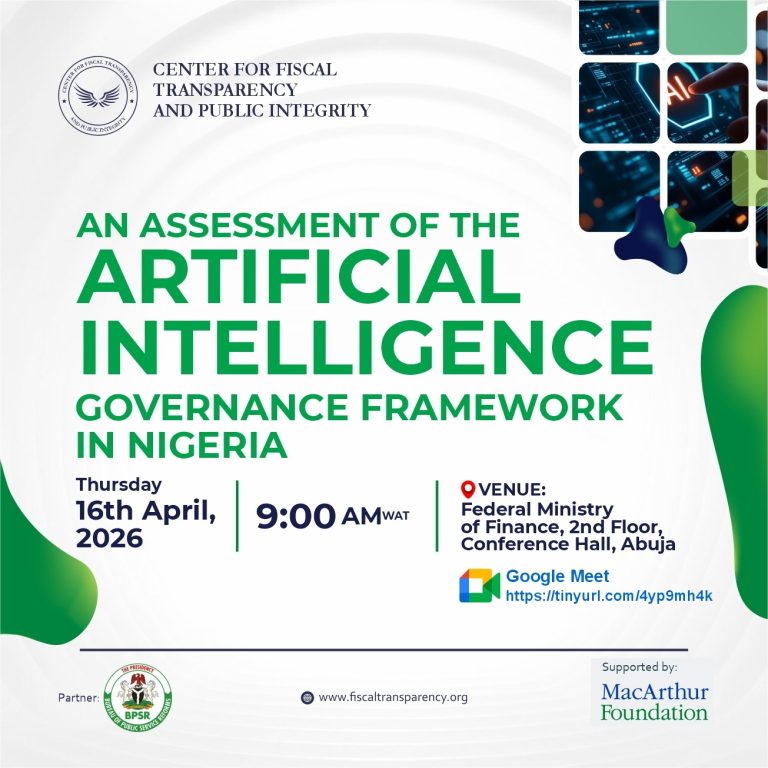
- a stakeholder discussion, An Assessment of the Artificial Intelligence Governance Framework in Nigeria, held on 16 April 2026 with participants from policy, technology, civil society and the public sector;
- a policy article on Nigeria's AI governance framework, published in June 2026 and drawing on those consultations;
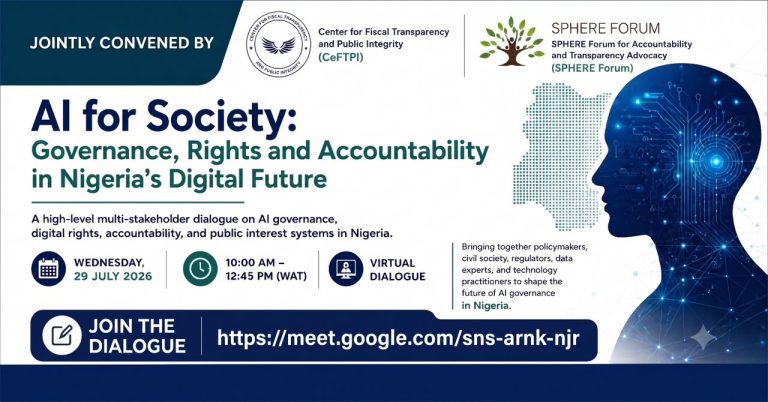
- a webinar, AI for Society: Governance, Rights and Accountability in Nigeria, held on 29 July 2026.
These are research and engagement activities. They set the ground for a continuing program, whose forward plan has not yet been published.
The Center's Own Use of Data Tools
The Center also builds analytical tools, among them Aletheia Procurement Integrity and Political Finance Integrity. Those are applications of data analysis to accountability. This page concerns a different matter: the rules under which such technologies ought to operate.
Record of Activity
- 29 July 2026Webinar: AI for Society: Governance, Rights and Accountability in Nigeria. Read the Report
- June 2026Policy article on the AI governance framework in Nigeria published.
- 16 April 2026Stakeholder assessment of the AI governance framework in Nigeria. Read the Report
- December 2024On International Anti-Corruption Day, the Center calls on young people to lead in applying AI to governance. Read the Report
Latest on This Project
Publications and Supporting Documents
Questions, Corrections and Engagement
To ask about this work, to report an error or to discuss collaboration, write to mail@fiscaltransparency.org.