Center trains lawyers, journalists on promoting accountability
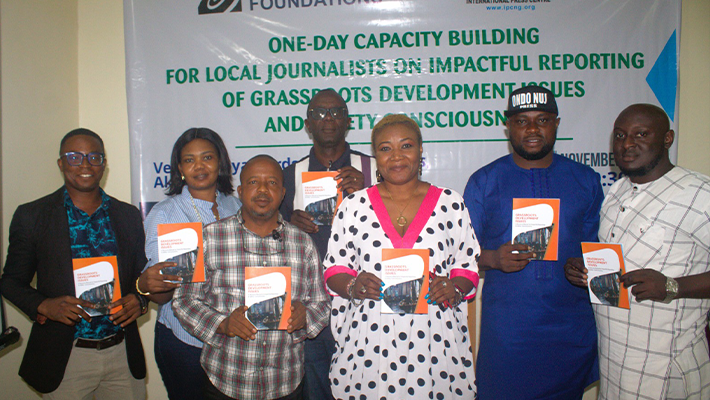
The Center for Fiscal Transparency and Integrity Watch has trained legal practitioners and journalists on networking to promote transparency, accountability and good governance at the sub-national level.
Speaking during the training on Wednesday in Zaria, Dr Umar Yakubu, Executive Director of the Center, said the training was an outcome of the Supreme Court judgment on local government (LG) financial autonomy.
Zaria Journalists, Lawyers Brainstorm On Transparency, Accountability In LG Funds
By; SANI ALIYU, Zaria
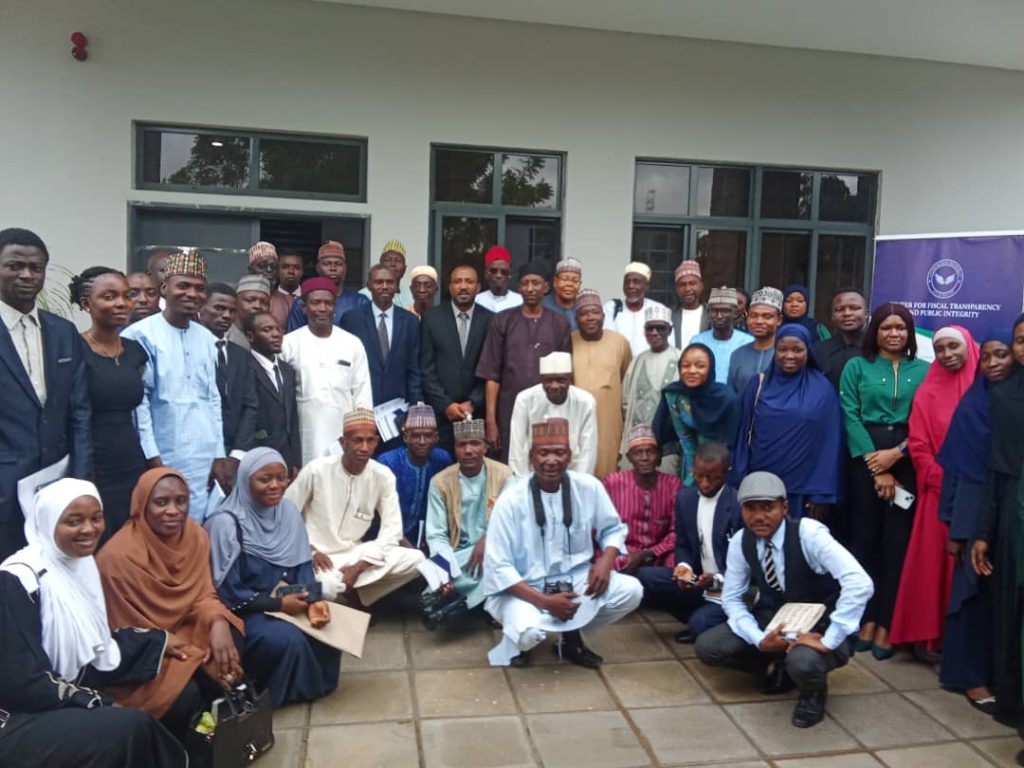
Center for Fiscal Transparency and Integrity Watch has organized a Workshop for Journalists and Lawyers in Zaria on the transparency and accountability in local government spending public funds.
Speaking at the workshop, the Executive Director of the center, Umar Yakubu said the combination of journalists and the lawyers is to have mechanisms to checkmate the local government funds allocated from the federation account.
CeFTIW Trains Lawyers, Journalists to Promote Good Governance

The Center for Fiscal Transparency and Integrity Watch (CeFTIW) has trained selected Legal Practitioners and journalists to build a network that would promote transparency, accountability and good governance at the sub-national level.
EFCC warns council chairmen against mismanagement
• Group asks commission to probe states
Economic and Financial Crimes Commission (EFCC) has warned chairmen of local council areas that it will not tolerate any form of financial mismanagement at the grassroots level.
Autonomy: EFCC vows to tighten scrutiny on LGAs
The Economic and Financial Crimes Commission (EFCC) has vowed to strengthen its scrutiny on Local Government Councils, especially now that they have been granted financial autonomy.
Agora Policy partners others on deepening accountability in LG administration
An array of critical stakeholders will meet in Abuja Monday to deliberate on deepening accountability, democracy and good governance in Nigeria’s 774 local government areas at a policy conversation convened by Agora Policy and five partners.
Agora Policy, partners push for local govt. accountability
S’Court Judgment: Stakeholders Chart Way Forward, Seek Accountability for LGs
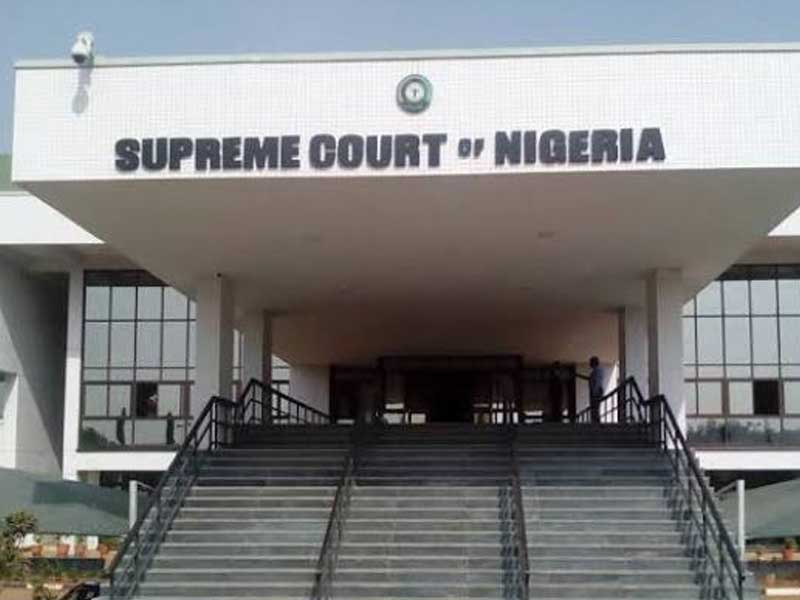
Stakeholders from the public service, academia, civil society and the anti-graft agency, among others , have called for the enthronement of a truly autonomous, democratic, effective and efficient as well as accountable and people-oriented local government system in the country following the recent Supreme Court verdict.
Olukoyede: EFCC will scrutinise activities of LGA bosses, it won’t be business as usual
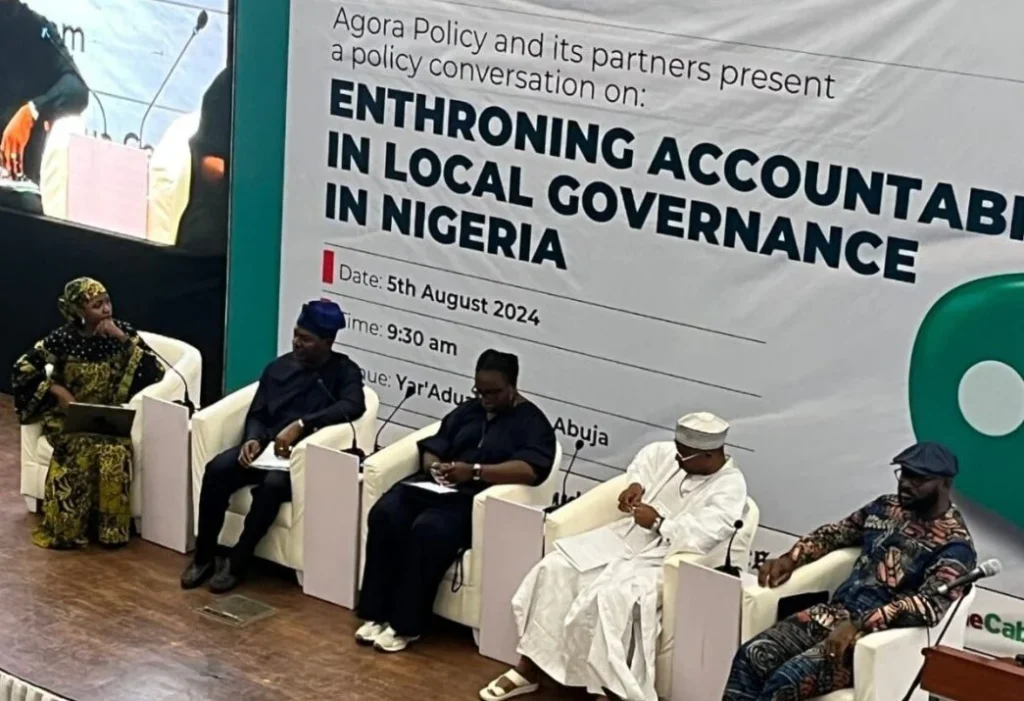
Olukoyede spoke in Abuja on Monday at a dialogue organised by Agora Policy, a think tank, on deepening accountability, democracy, and good governance in Nigeria’s 774 LGAs.
‘668 local governments have no websites’
Only seven out of the 774 local governments have active websites, it was revealed yesterday. Four of the councils with active websites are in Oyo State. They are: Afijio; Akinyele; Atiba and Atisbo. Others are: Abeokuta North (Ogun State); Abi (Cross River) and Ado-Odo/Ota (Ogun State);
LGs’ Financial Autonomy: Adio urges well-meaning Nigerians to get involved

All well-meaning Nigerians must be interested in getting Local Government Authorities to work efficiently, Mr. Waziri Adio, Founder Agora, has said. He spoke at the Policy Dialogue put together with support from MacArthur Foundation on “How to Enthrone Accountability in Nigeria’s Local Councils”, in Abuja, Monday.
EFCC to scrutinise local government activities for accountability

The Economic and Financial Crimes Commission has pledged to closely monitor local government activities to ensure good governance, accountability, and transparency. This follows the recent Supreme Court judgement granting financial autonomy to local governments.
Financial Autonomy: EFCC, experts canvass transparency, accountability in Nigeria’s local councils
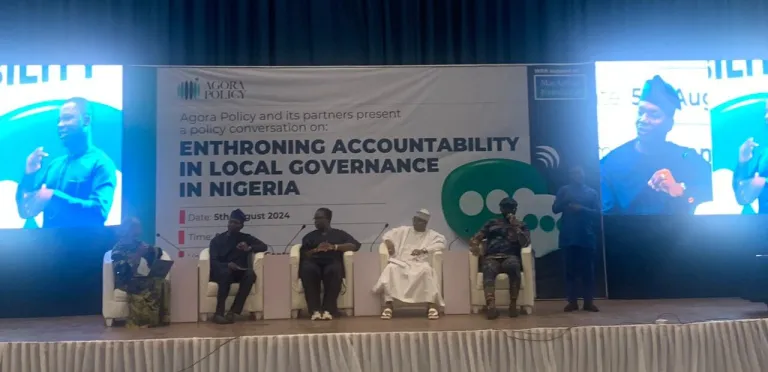
Some experts have called for robust mechanisms at the local government level to ensure transparency and accountability, in light of the new local government funding structure ordered by the Supreme Court. The experts made the recommendation on Monday at the policy dialogue organised by Agora Policy, an Abuja-based think tank, in partnership with the BudgIT Foundation, Yiaga Africa, the Centre for Fiscal Transparency and Public Integrity, Premium Times, and The Cable.
Nigerians React to the Scandal around EFCC Vs Yahaya Bello
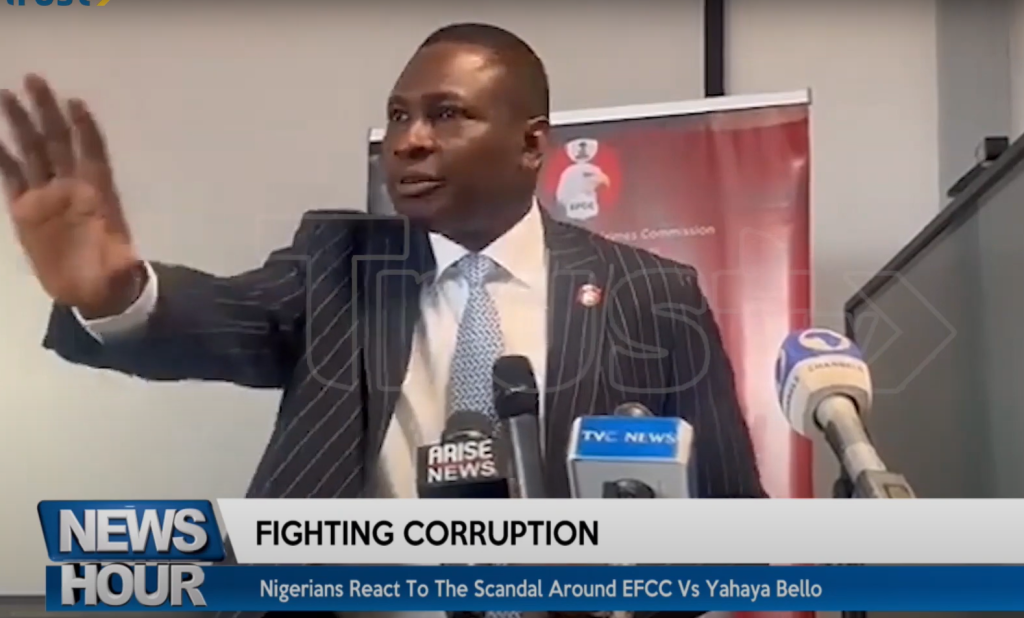
It is a story that is fast becoming the most scandalous anti-graft case of the year as the probe of the immediate past Governor of Kogi state Yahya continues to capture the imagination of Nigerians who remain perplexed by the inability of the economic and financial crimes commission to successfully prosecute the fraud case. While the EFCC say it remains committed to bring Yahya bello to book, the case seems to have lost its momentum.
Only three out of 614 public probes concluded since 1999 – Report

A report by the Centre for Fiscal Transparency and Public Integrity has revealed that only three out of 614 investigative probes related to corruption have been concluded since 1999. The Centre noted that some of the probes which were mostly initiated at the National Assembly and by anti-corruption agencies have lasted for over 3,000 days without conclusion and public disclosures.
Stakeholders kick as anti-graft agencies, panels abandon over 600 corruption cases
Stakeholders working towards a corrupt-free society have raised the alarm over the alleged abandonment of over 600 grand corruption probes involving trillions of naira by agencies established by law to recover stolen funds for the country.
Most of the cases, according to them, were abandoned by the National Assembly, Economic and Financial Crimes Commission (EFCC), Independent Corrupt Practices and Other Related Offences Commission (ICPC) and other investigative panels constituted by the government to address corruption allegations.
30 State Govs Spent N968.64bn On Refreshments, Others In Three Months – Report
NO fewer than 30 state governments of the federation spent N986.64bn on recurrent expenditures, including refreshments, sitting allowances, travelling, utilities, etc., in the first three months of 2024. The states’ budget implementation reports, which were obtained from Open Nigerian States, a website supported by BudgIT that acts as a repository for public budget data, were analysed.
Relief For 172m Nigerian Subscribers As Tinubu Cancels 5% Telecoms Tax

MILLIONS of Nigerian telecom subscribers can heave a sigh of relief following President Bola Tinubu’s decision to abolish the planned five per cent excise duty on telecommunications services, a levy that had faced strong opposition since its introduction under the 2020 Finance Act.
FRC launches SMEs corporate governance guidelines

In his keynote speech during the launch, Dr. Rabiu Olowo, Executive Secretary/CEO of the Financial Reporting Council, stressed that the introduction of the Nigeria SME Corporate Governance Guidelines presented a chance to establish new guidelines for the management SMEs and make sure they are prepared to compete globally.
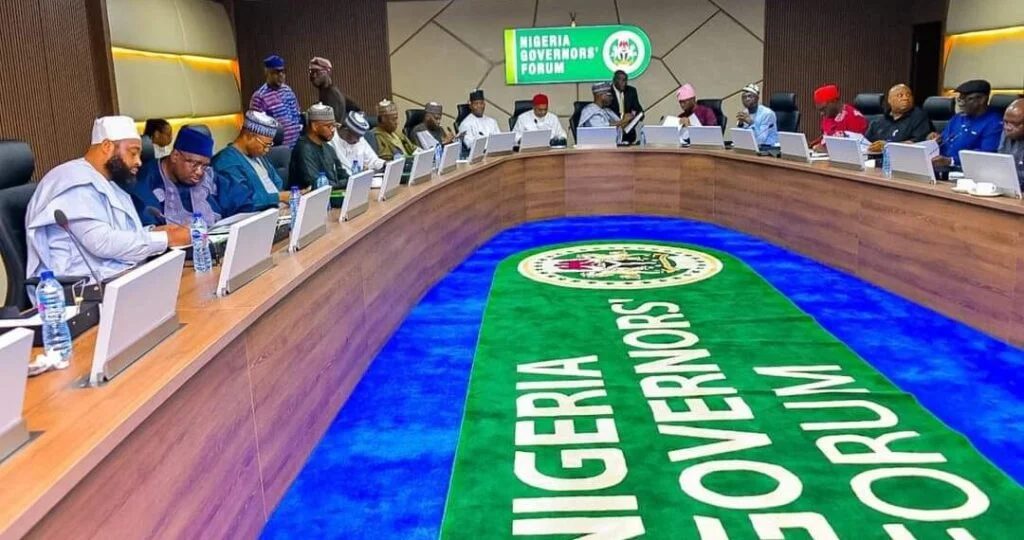
FG drags 36 Governors to Supreme Court, seeks full autonomy for LGAs
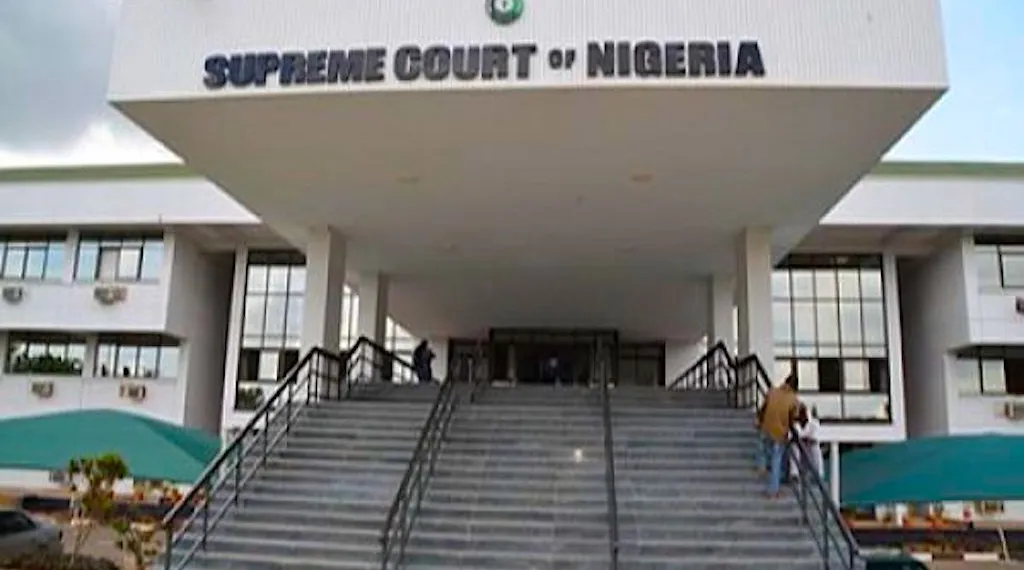
The Federal Government has instituted a legal action against the Governors of the 36 States of the Federation at the Supreme Court over alleged misconduct in the administration of Local Government Areas, LGAs. FG, in the suit marked: SC/CV/343/2024, which was filed by the Attorney General of the Federation and Minister of Justice, Prince Lateef Fagbemi, SAN, is seeking full autonomy for all LGAs in the country as the third tier of government.
Where are the benefits of increased FAAC allocations in our states?, By Victor Agi
Every other month, for those of us who have keenly followed the activities of the Federation Account Allocation Committee (FAAC), not less than a trillion naira is being announced to have been generated and disbursed among the three tiers of government in Nigeria, at least since the removal of fuel subsidy, which has significantly improved the revenues of governments across the country.
UN group tasks Nigerian Government on fight against corruption
The United Nations Convention Against Corruption (UNCAC) has urged the Nigerian Government to intensify the fight against corruption and ensure it does not end up only as mere proclamation of statistics.
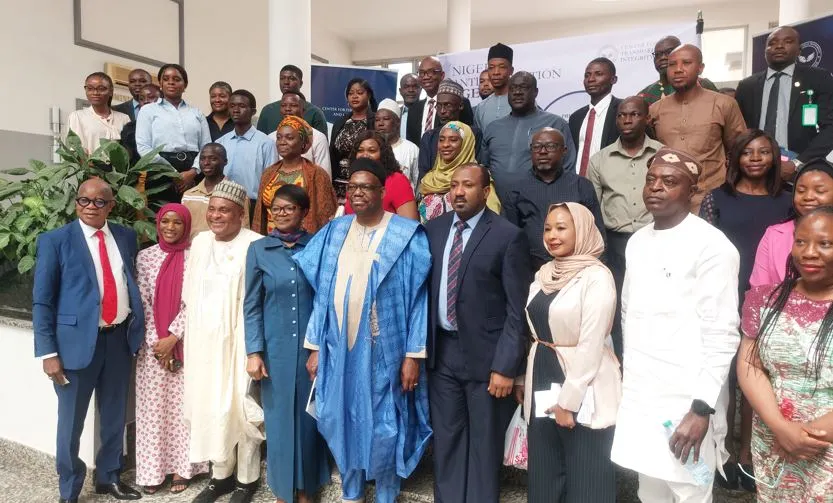
Mr Umar Yakubu, Executive Director, Center for Fiscal Transparency and Integrity Watch (CeFTIW), made the call on Tuesday at the report presentation of the Civil Society’s Monitoring Mechanism for Nigeria’s Implementation of the UNCAC in Abuja.
The News Agency of Nigeria (NAN) reports that Yakubu is the sub-Saharan Africa representative on the board of UNCAC, which has over 350 Civil Society Organisations (CSOs).
“UNCAC wants the Nigerian Government to implement the provisions of corruption reduction measurement in the country and that is what we are doing through the Anti-corruption Strategy,” he said.
Centre asks Nigerian govt to fully enforce UN anti-corruption convention
The Nigerian government lacks effective preventive measures to tame corruption, the Centre for Fiscal Transparency and Integrity Watch has said.
It asked the government to establish an institutional framework for measuring corruption reduction in public governance.
The Centre, a not-for-profit organisation, made the observation in Abuja on Tuesday while setting an agenda for the government’s anti-corruption efforts in 2024.
Umar Yakubu, who leads the centre, presented what he termed a monitoring mechanism for Nigeria’s implementation of the United Nations Convention Against Corruption (UNCAC).
‘CSOs unsure of Nigeria’s progress in fight against corruption’
Civil Society Organisations have demanded tangible and measurable benefits for Nigeria’s funds spent by agencies involved in the fight against corruption in the country, saying it’s difficult to say if any progress has been made or not over the years.
The CSOs said it was not enough that the country continues to spend resources on anti-corruption agencies and activities, but such expenditures must lead to a verifiable reduction in corruption.