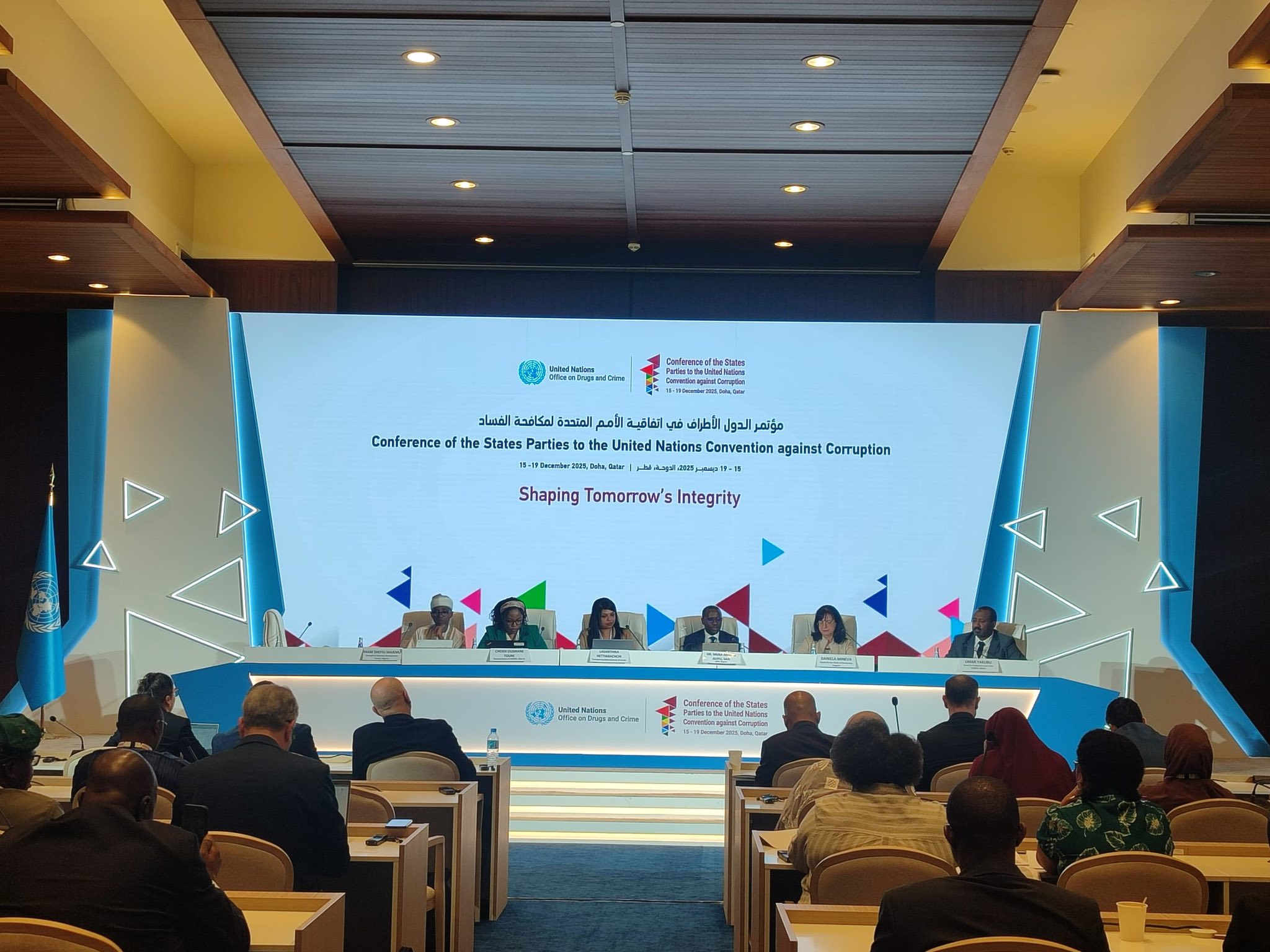
The Center for Fiscal Transparency and Public Integrity (CeFTPI) recently hosted a high-impact side event at the 11th Conference of the States Parties (COSP11) in Doha, Qatar. The session focused on the critical challenge of translating ambitious national anti-corruption policies into concrete local action.
Corruption is felt most acutely at the sub-national level—in local infrastructure contracts, municipal licensing, and the delivery of essential health and education services. Our session brought together global experts to discuss how to bridge this “implementation gap.”
Key Highlights & Takeaways:
- The Power of Partnerships: Multi-stakeholder collaboration between governments, civil society, and international partners is essential to prioritize sub-national integrity.
- Risk Mitigation: Experts from Nigeria’s ICPC shared insights on identifying and categorizing corruption risks to implement targeted prevention measures.
- Digital Tools for Accountability: Panelists explored the necessity of digital fiscal transparency and the use of technology to monitor public service delivery at the local level.
- Measuring Success: Beyond arrest numbers, the discussion highlighted the need for specific KPIs at the sub-national level to measure the actual reduction of corruption risks.
Featured Panelists:
We were honored to be joined by representatives from:
Transparency International, Sri Lanka (TI-SL)
Center for the Study of Democracy, Bulgaria (CSD-BG)
Strength in Diversity Development Centre, Nigeria (SiDDC-NG)
UNODC, Nigeria (UNODC-NG)
Independent Corrupt and Other Related Offences Commission, Nigeria (ICPC-NG)
A Call to Action: Integrity at the national level is only as strong as its weakest local link. We call on all State Parties and civil society partners to prioritize the development of robust sub-national integrity frameworks.
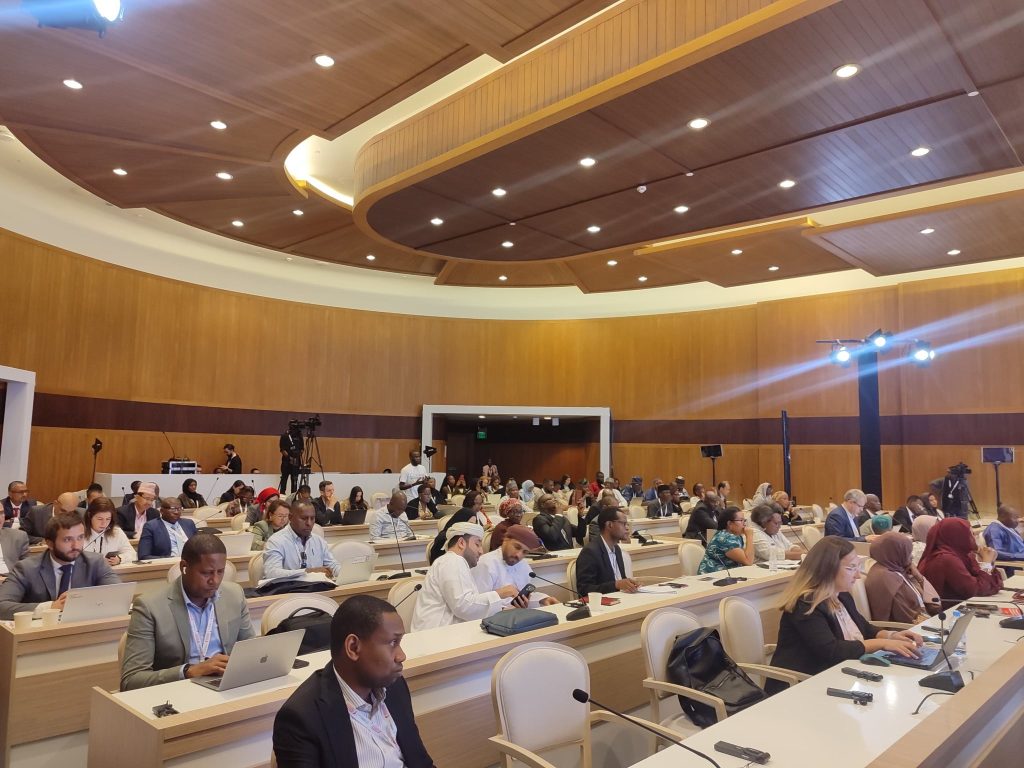
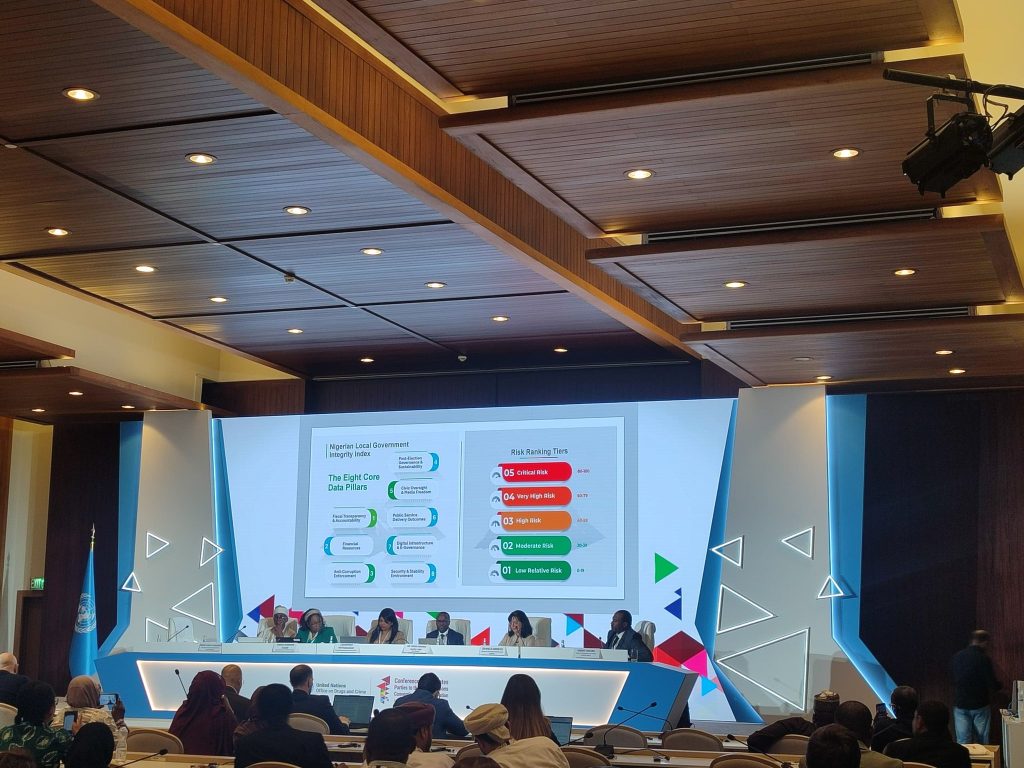
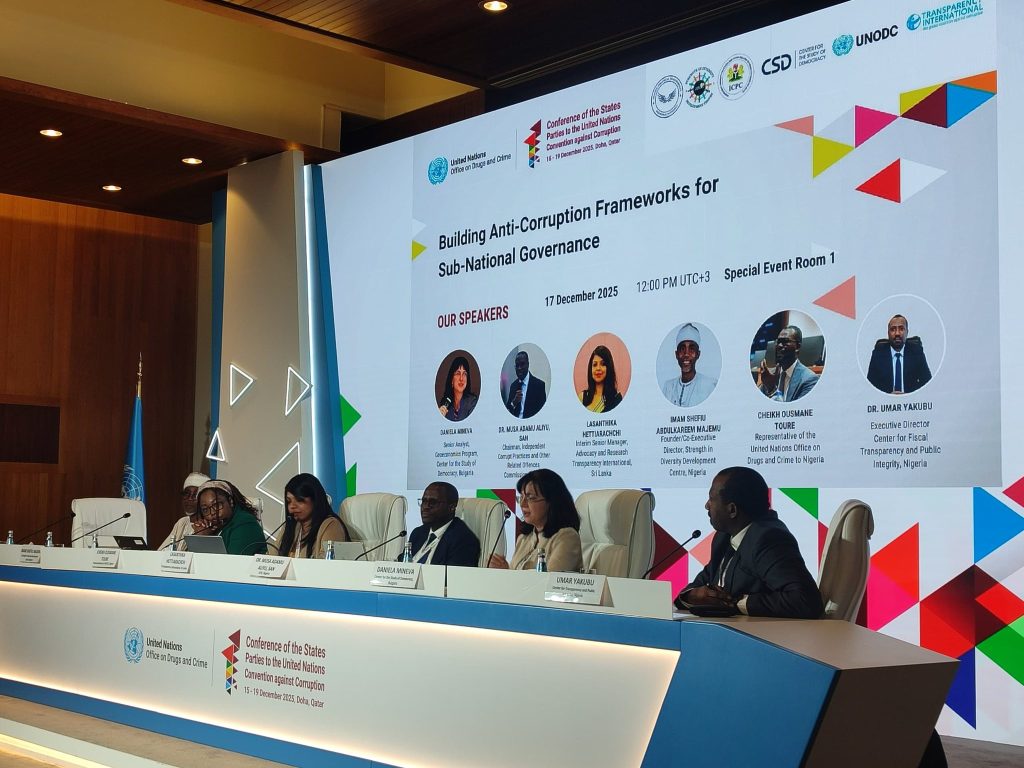
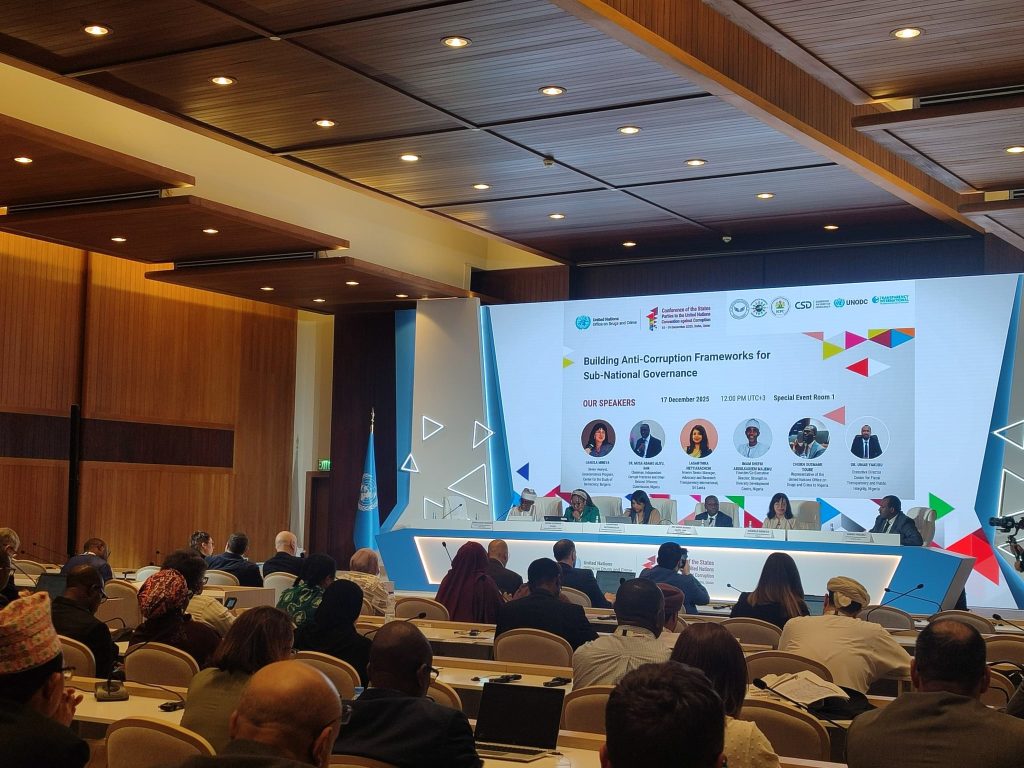
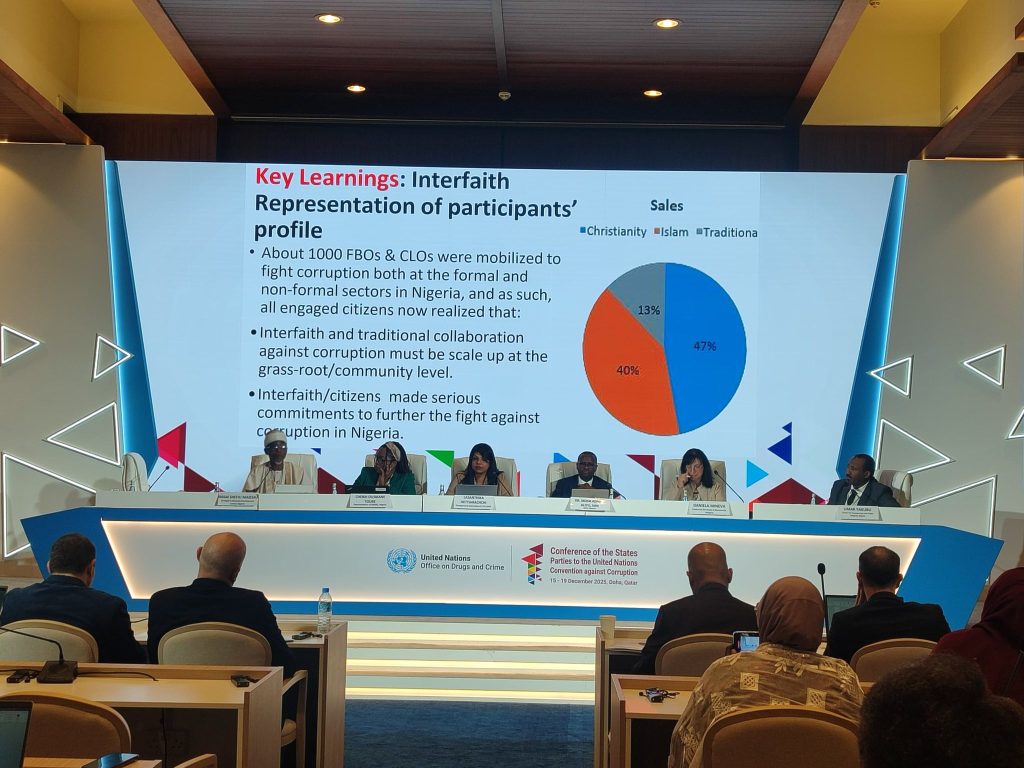
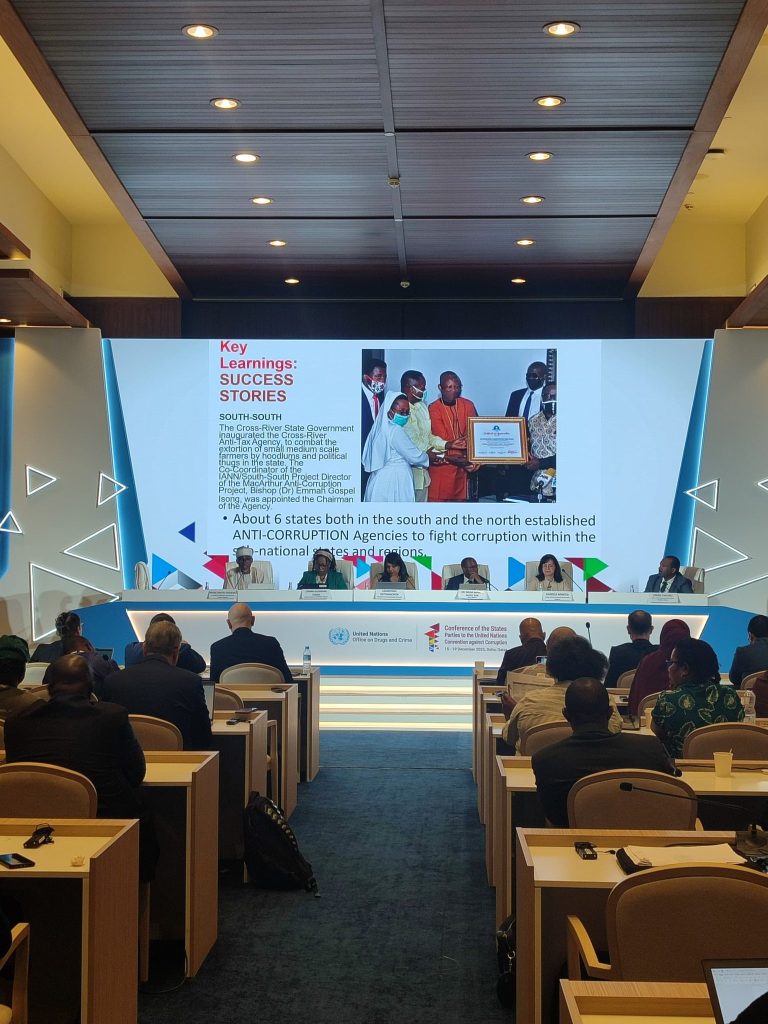
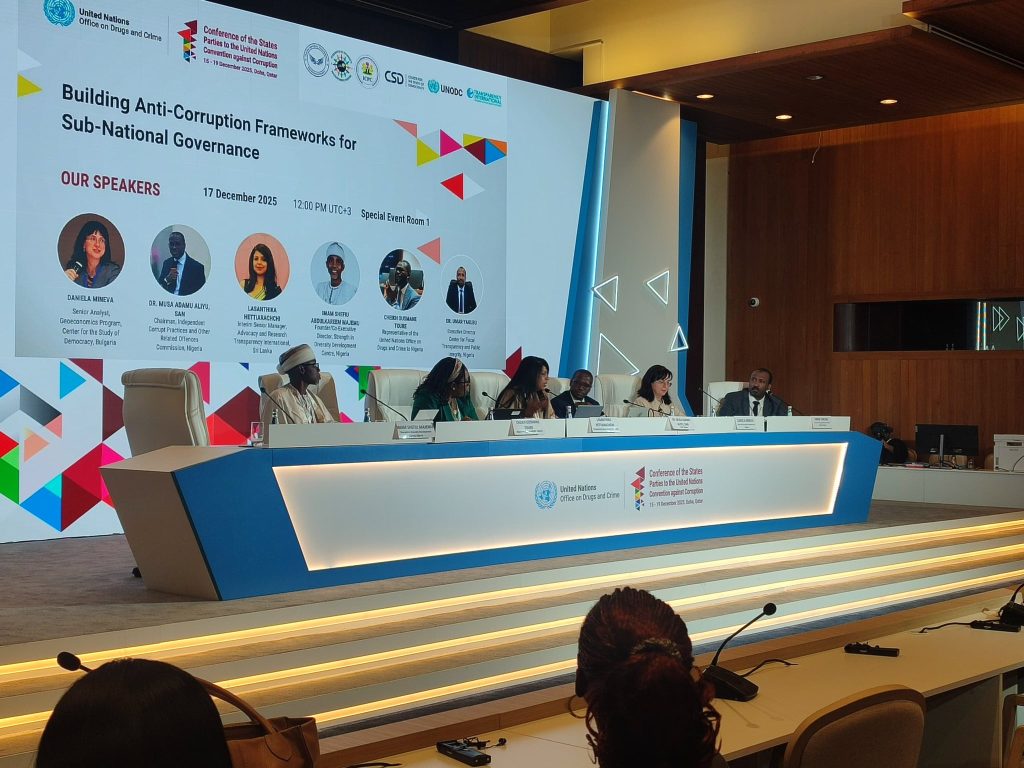
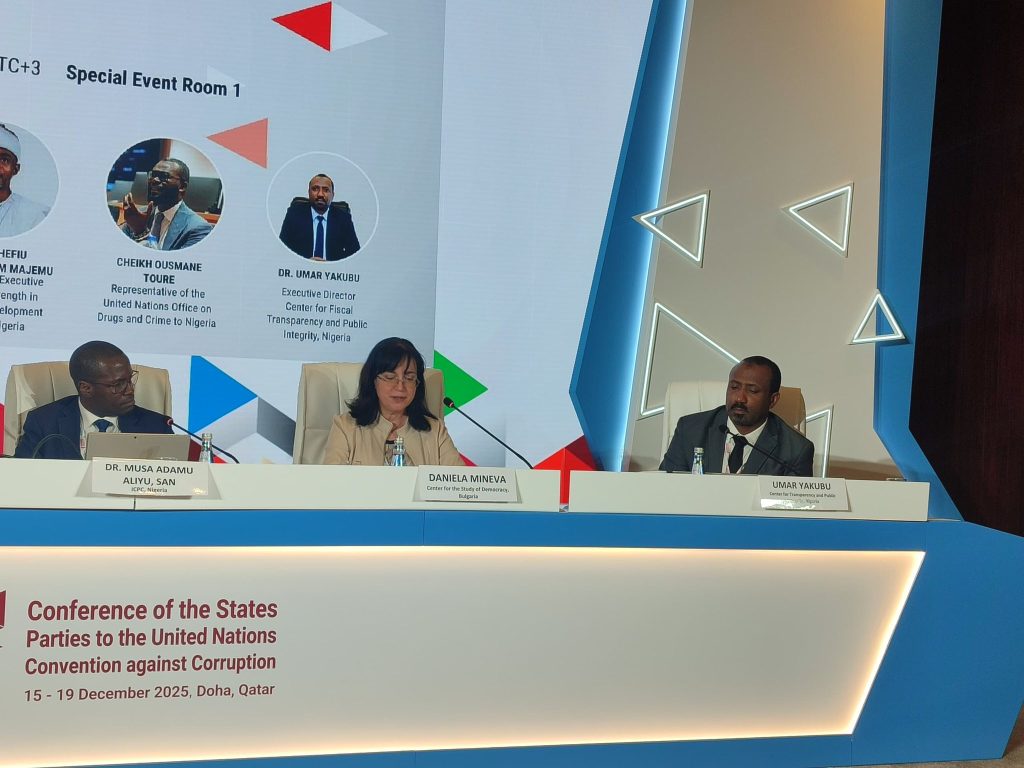
Images from the Center’s Special Event titled “Building Anti-Corruption Framework on Sub-National Governance” at COSP11 in Doha, Qatar.